A camera notification is information, not a complete response plan. For a Miami homeowner leaving for a trip or an extended season, the practical task is to connect access, observation and decisions. Someone needs to know which visits are expected, which changes matter and how to reach a person who can act. Build that arrangement before the final day of packing.
Make an access inventory
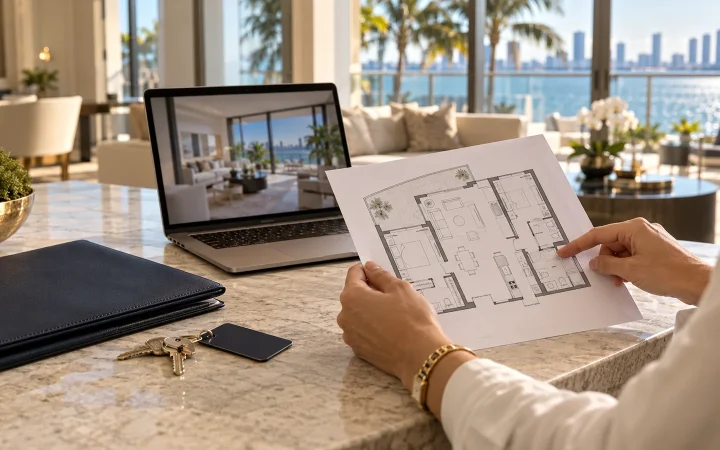
List the people and services that may enter: property manager, housekeeper, pool service, landscaper, contractor and any scheduled guests. Record the approved purpose and visit window. Review temporary codes and access credentials through the authorized system, and agree who can issue a new one.
Do not send your complete absence schedule and access codes to a broad group chat. Keep credentials separate from the routine visit calendar and use a controlled process for changes. The aim is to distinguish an expected visit from an unexplained one.
Choose a local decision-maker
Name one primary local contact and a backup. Agree what each may authorize, how they will reach you and what to do if you are unavailable. Provide the relevant property, alarm and maintenance contacts securely. A person who receives notifications but cannot arrange access or contact a contractor has limited ability to help.
Discuss practical scenarios: an alarm with no obvious cause, a delivery outside the agreed window, a power interruption or an unexpected visitor. These are planning exercises, not predictions about your property.
Record a baseline and a visit log
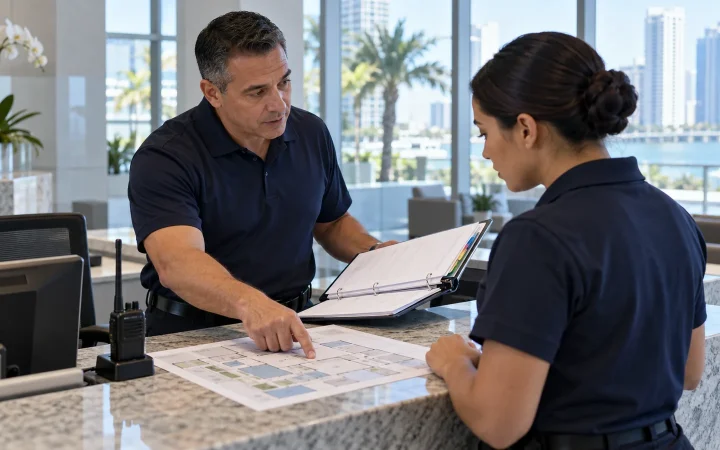
Before departure, walk through the agreed inspection areas with the responsible person. Record relevant conditions and any existing issue so later observations have context. Define what a routine visit covers and what it does not; a security visit is not automatically an engineering, plumbing or insurance inspection.
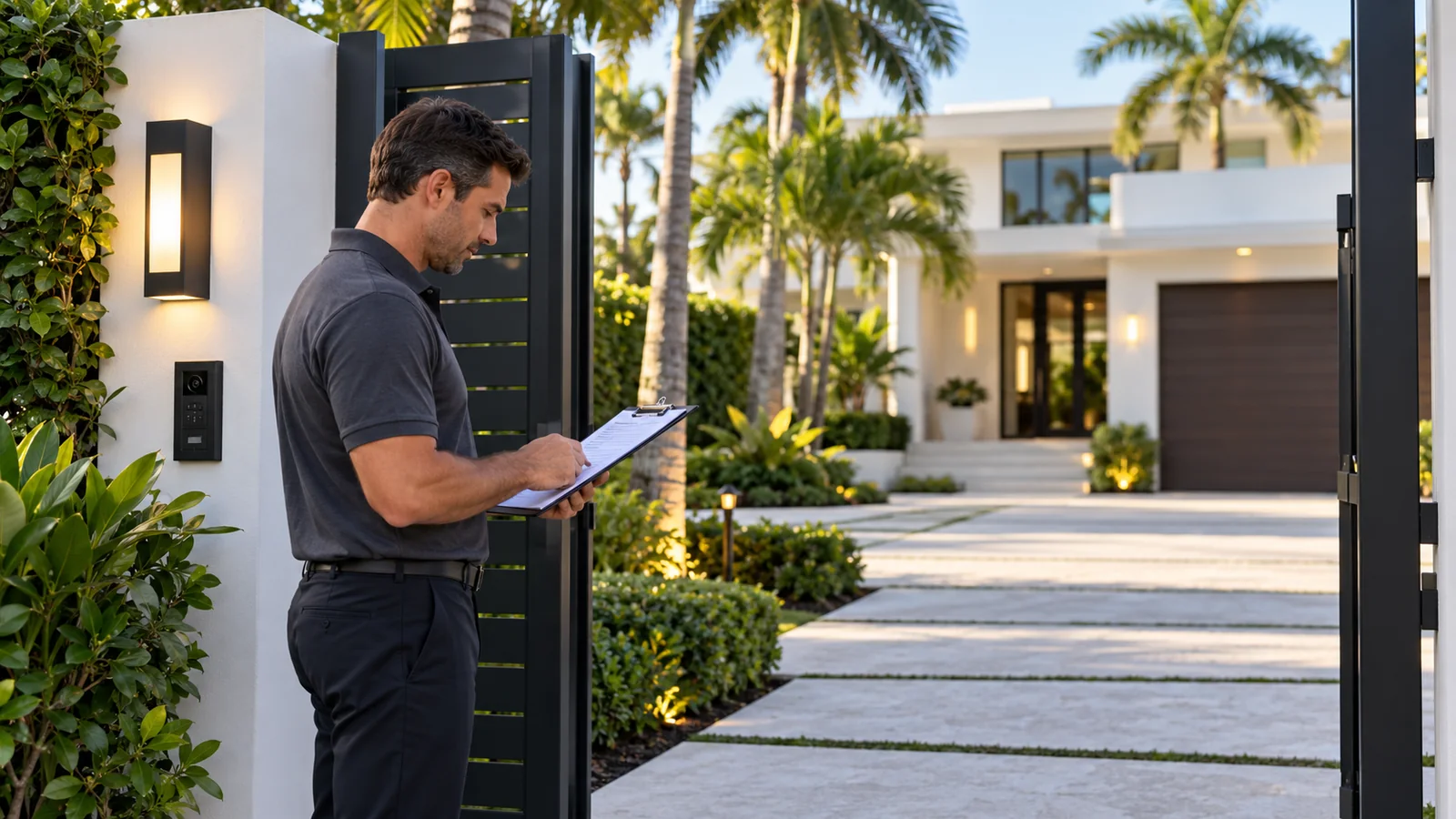
A useful log records the visit time, who attended, what was checked, exceptions and who was notified. Avoid sending unnecessary photographs of personal possessions. Agree secure storage and retention for records.
Reduce obvious signs of absence
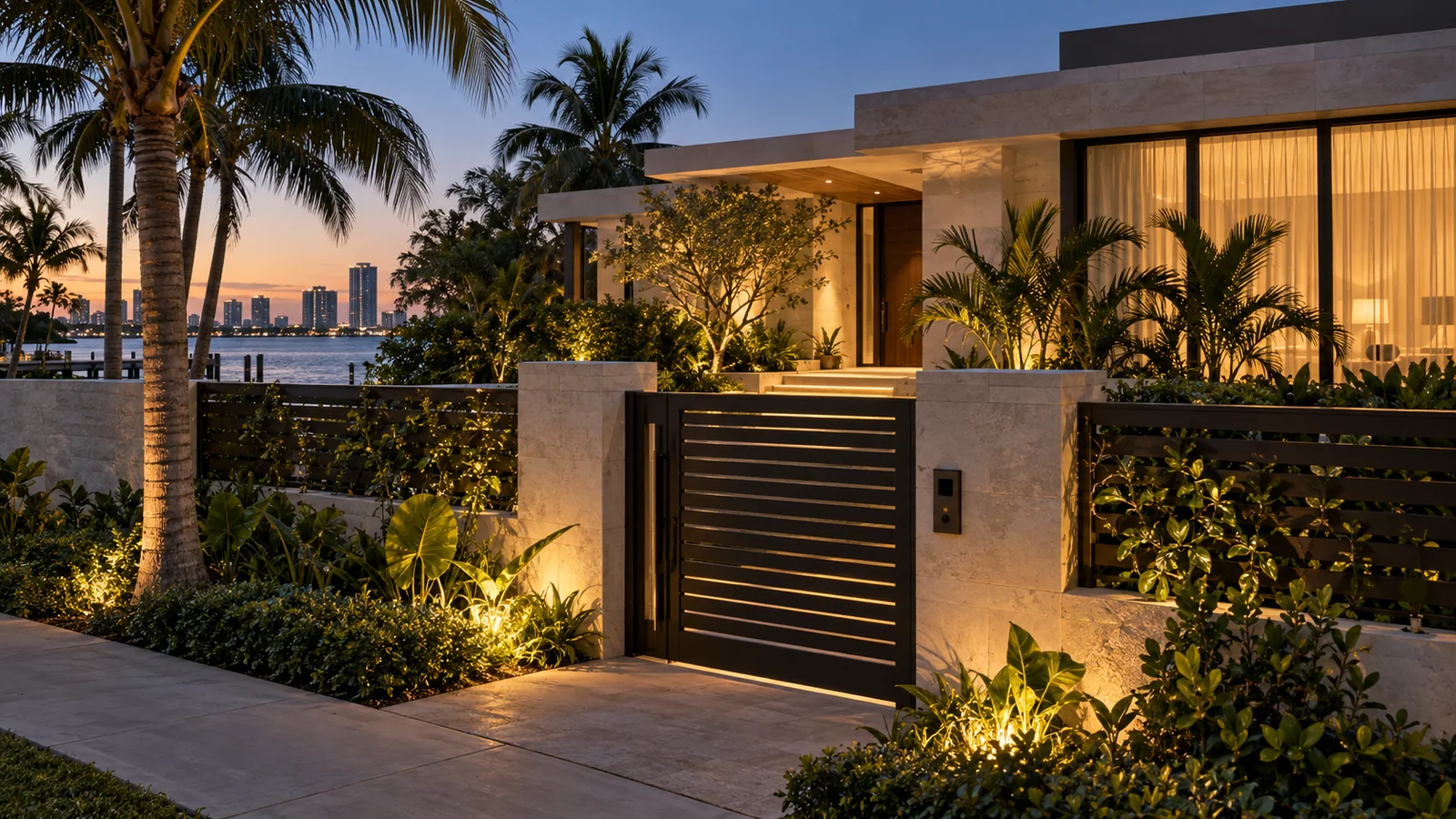
Miami Beach Police recommends measures such as managing accumulated mail, using lighting timers and avoiding public announcements that the home is empty. Arrange these tasks with someone accountable rather than assuming each contractor will notice a problem outside their own job.
Confirm equipment operation before leaving. Where an alarm or camera depends on connectivity or power, ask the relevant provider what an outage changes and how notifications are handled. Do not assume every alert produces a physical response.
Understand police patrol and private coverage
Miami Beach’s online reporting service allows residents to request increased patrols around a home during a vacation. Follow its eligibility and current instructions. This should not be understood as a promise of a dedicated officer or continuous observation.
For private coverage, define the difference between scheduled mobile patrol visits and an officer assigned to a residence. Ask about reporting, access arrangements and escalation. Estate security planning should reflect the property and the time away.
Close the loop when you return
Tell the responsible contacts when the absence ends. Review visit records and unresolved issues, reconcile keys or temporary access and confirm which services should continue. If a problem occurred, preserve the records before changing systems or discarding messages.
Leaving the house for hurricane season also requires a separate weather plan. Our storm preparation framework explains roles and safe access decisions; follow residential instructions from local authorities for your home.
Plan your next step
Leaving a residence unattended for an extended period? Ask FSO Guard to scope the coverage. Pricing depends on the assignment and is provided on request.