
Approve the job before approving the entrance
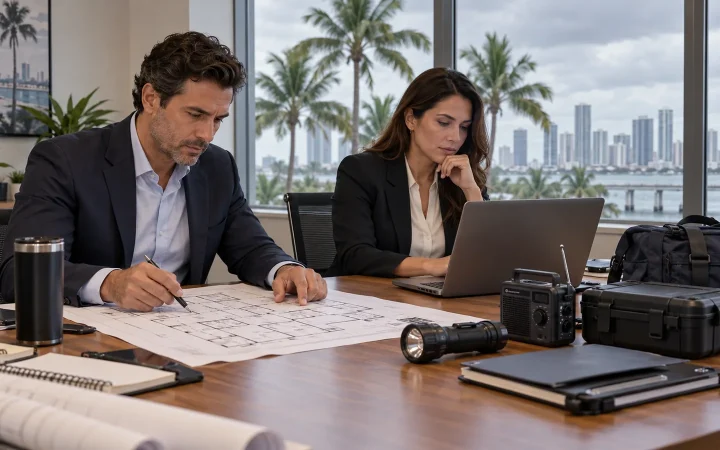
Contractor access control starts with a defined job. An expected company name is not enough: the site needs an approved work location, time window, responsible host and any relevant escort requirement. The reception or security team should receive that information before the contractor arrives.
Separate permission to enter the building from permission to work in a particular area. A technician scheduled for one tenant should not gain general access to other tenants or shared equipment rooms. The property’s authorized staff must define those boundaries.
Build a short arrival checklist
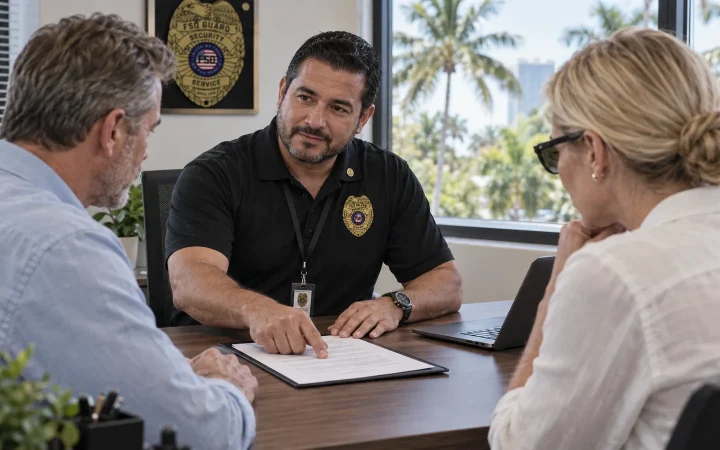
Ask the visitor to identify the company and appointment, then compare the request with the approved record. Use the established verification method and contact the host through a known channel if anything differs. Explain the process politely and apply it consistently.
Confirm the work location, approved hours, host contact, escort arrangements and checkout expectation. Issue only the temporary credential or keys authorized for that work. Record the issue without putting passwords, access codes or unnecessary personal information into an open visitor log.
Plan for substitutions and unscheduled work
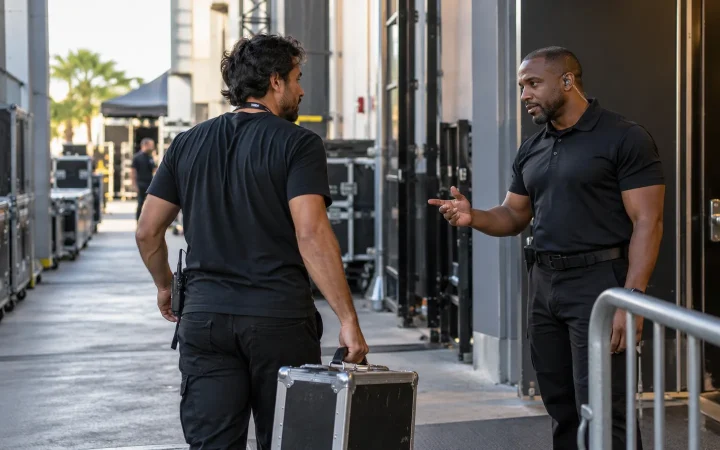
A different technician, extra helper or changed job scope is an exception requiring approval. Staff should not infer authorization from a uniform, marked vehicle or convincing explanation. Provide a designated waiting location while the host or responsible manager reviews the change.
Urgent maintenance needs a documented emergency approval route. That route should identify who may authorize access and what must be recorded afterward. Security personnel should support the response without directing technical repairs or overriding the site’s safety procedures.
Keep the permission current during the visit
If work moves to another area or runs beyond the approved period, update the authorization before extending access. A temporary credential is not an open-ended invitation. Keep the host informed when a contractor needs assistance or reports a condition outside the original scope.
For example, a scheduled delivery of parts does not automatically authorize the driver to accompany the technician into a restricted room. Treat each role according to the approved task. This is a planning example, not a report of an FSO client incident.
Close the visit, not just the visitor screen
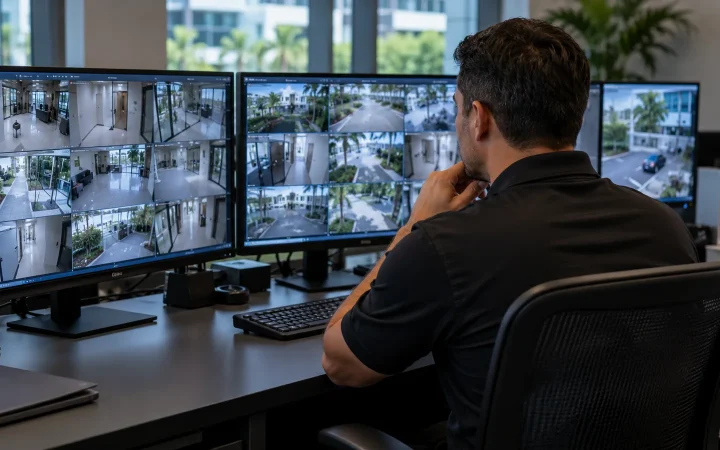
At checkout, reconcile credentials and keys, record the departure and report unresolved issues to the host. Technical acceptance of the completed work belongs to the responsible facilities or project team. A security officer’s checkout entry should not imply that repairs passed inspection.
Review visits that remain open after their expected end time. Give the next shift the contractor’s approved status and the person handling any outstanding decision. Over time, repeated exceptions can reveal a scheduling or communication problem that management should fix upstream.
Quick review checklist
- Approved job and host
- Verified arrival and work area
- Current temporary permission
- Recorded scope or timing changes
- Returned credentials and confirmed departure
Put the process into your site plan
Use this guide alongside our article on After-Hours Office Access: A Checklist for Managers and Tenants. To discuss the responsibilities, operating conditions and coverage your property or event needs, contact FSO Guard about the appropriate security scope.
Frequently asked questions
Does an appointment authorize every person arriving with the contractor?
No. The approved job record should identify the people or verification process permitted by the property. Additional workers require the appropriate approval.
What if the host cannot be reached?
Use the designated alternate or escalation route and keep access pending where policy requires it. Avoid inventing an approval based on urgency alone.
Should security sign off that the work is complete?
Security can record departure and returned access items. Technical completion and acceptance should remain with the authorized facilities or project representative.