
Agree on responsibilities with the property owner
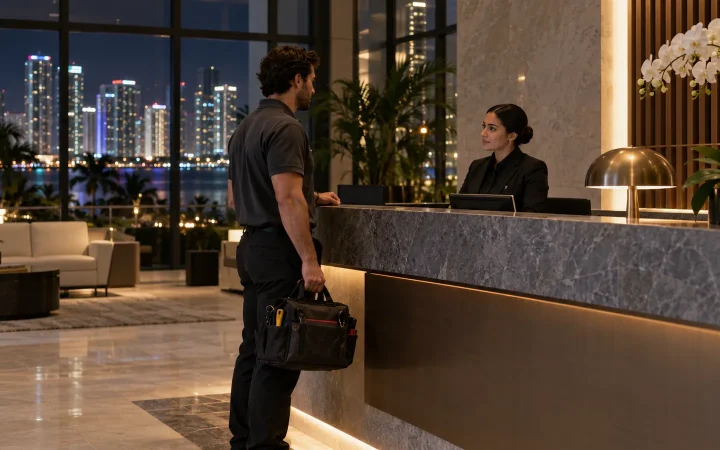
Open house safety starts before visitors arrive. The agent, owner and any property representative should agree on the areas available for viewing, the people hosting and the response if assistance is needed. Avoid assuming that an open invitation makes every room or record public.
Discuss valuables, personal documents and items that should be secured or removed through the owner’s approved arrangements. Do not publish detailed household schedules, access information or vulnerabilities in promotional material.
Prepare the host and visitor process
Identify who welcomes visitors, who answers property questions and who can respond if a host needs support. Use the agency’s approved check-in and communication practices. Where staffing is limited, review whether the planned activity can be conducted safely.
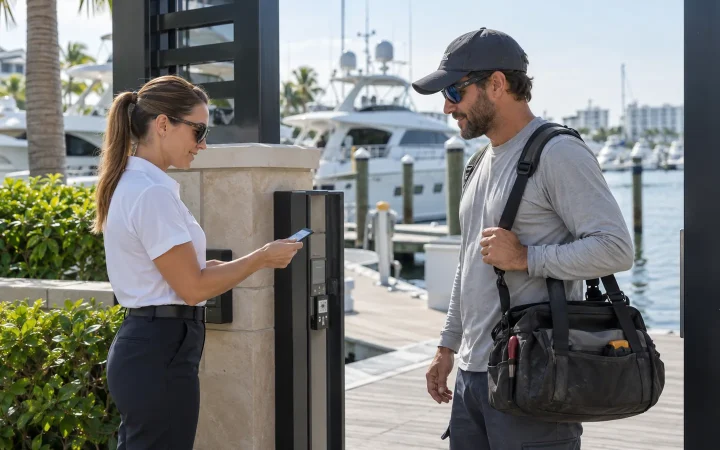
Any registration should collect only information appropriate to the stated purpose and applicable requirements. Explain the process clearly. Avoid leaving a sheet of previous visitors’ contact details exposed to everyone entering the property.
Keep access boundaries clear and courteous
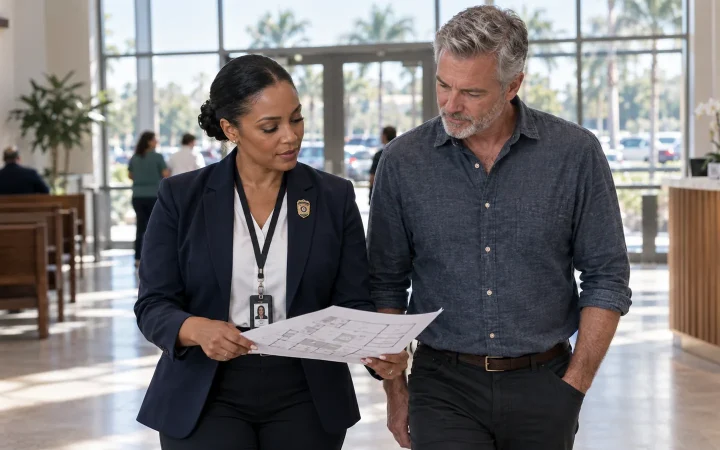
Use understandable instructions for the viewing route and areas that remain private. Apply them consistently across visitors. A host should be able to redirect someone without turning the interaction into an accusation.
For a condominium or managed community, coordinate with building management and the resident’s authorization process. An agent’s event plan should not conflict with common-area rules or the building’s established access procedures.
Have a practical assistance route
Give hosts a clear way to contact their colleague, manager or appropriate emergency support. Staff should know when to pause the showing or leave an unsafe interaction. A public marketing event does not require a person to remain in danger to preserve hospitality.
Report observable behavior and facts rather than profiling visitors. Do not improvise searches, detention or other enforcement actions outside applicable authority and training. If a concern becomes an emergency, follow the relevant emergency procedure.
Close the property with an accountable handoff
At the end, follow the approved process for confirming visitors have left, reconciling keys and restoring the property’s agreed condition. Record any issue requiring the owner’s or property manager’s attention.
Protect visitor records and transfer them only through the agency’s authorized system. Review what created confusion: unclear arrival instructions, unavailable assistance or a private area that was not communicated. Improve those points before the next showing rather than relying on a general reminder to be careful.
Quick review checklist
- Owner-approved viewing scope
- Defined host and support roles
- Proportionate private registration
- Clear access boundaries
- Accountable closing handoff
Put the process into your site plan
Use this guide alongside our article on home security while you are away. To discuss the responsibilities, operating conditions and coverage your property or event needs, contact FSO Guard about the appropriate security scope.
Frequently asked questions
Should visitor contact details be visible on a public sign-in sheet?
Use an approved process that protects earlier visitors’ information and collects only what is appropriate for the stated purpose.
Does an open house give access to every part of a property?
No. Agree on the viewing areas and communicate any private boundaries clearly and consistently.
What should happen after the final visitor leaves?
Complete the approved closing check, reconcile keys, record concerns and hand responsibility back to the authorized owner or property representative.